
Why cancer recovery, quality of life, PBM, and HBOT can no longer be an afterthought

Cancer recovery PBM HBOT research is part of a question more patients are asking out loud: the treatment is doing what it was meant to do, so why does the patient still feel completely drained?
Cancer treatment side effects do not always end when the infusion does.
The tumor may shrink. The scan may look better. The treatment may be doing exactly what it was designed to do.
But the patient may still feel completely drained.
For many people, nausea, weakness, appetite loss, poor sleep, and strange nerve sensations follow them home and shape the rest of the day.
That is why recovery is becoming a bigger part of the cancer-care conversation.
Alongside nutrition, movement, and symptom support, some overseas clinics are also exploring photobiomodulation, or PBM, and hyperbaric oxygen therapy, or HBOT, as part of broader recovery programs.
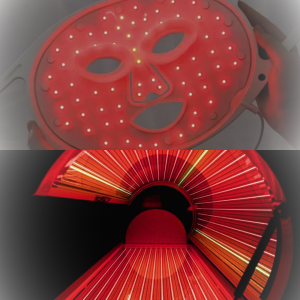
PBM uses red and near-infrared light and is studied for how it interacts with the mitochondria involved in cellular energy production. HBOT increases the amount of oxygen available to tissues under higher pressure.
They work differently, but the goal behind both is similar:
Support the body while cancer treatment targets the disease.
Because sometimes the scan improves long before the person feels like themselves again.
Cancer Treatment Side Effects Do Not Stay at the Hospital

Chemotherapy is designed to attack cells that divide quickly.
Cancer cells divide quickly, but some healthy cells do too. That is why treatment can affect much more than the tumor itself.
The digestive system may react with nausea or appetite loss. Changes in blood cell production can leave someone weak and exhausted. Nerves may become sensitive, causing numbness, tingling, or unusual cold sensations.
Hair changes. Skin changes. Sleep changes.
On a medical chart, these may appear as a list of side effects.
But at home, they can change the entire day.
A meal becomes something to get through. A shower feels like exercise. A short conversation takes more energy than expected.
That is the hidden cost of treatment people do not always see.
This Is Not the Kind of Tiredness a Nap Fixes
Cancer-related fatigue is hard to describe to someone who has never experienced it.
It is not simply feeling sleepy.
It can be standing in the kitchen and realizing that making food feels like too much work. It can be getting dressed, then needing to sit down before leaving the room.
Even after a full night of sleep, the body may still feel as though it never recharged.
Then fatigue starts affecting everything else.
You feel too tired to move, so you move less. Moving less can make the body feel weaker. Feeling weaker makes ordinary tasks even harder.
Add nausea, pain, poor sleep, or appetite loss, and the cycle becomes difficult to break.
The cancer is being treated. But what about the person carrying it?
Cancer Treatment Side Effects and Recovery: Why PBM and HBOT Are Getting Attention
Every cell in the body needs energy to function.
That energy helps us move, think, maintain tissue, and respond to physical stress. Mitochondria play a central role in producing it, and oxygen is an essential part of that process.
This is one reason PBM and HBOT are being explored in supportive recovery settings.
PBM: Supporting the Cell’s Energy System
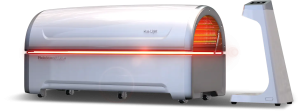
PBM delivers specific wavelengths of red and near-infrared light.
Researchers are studying how this light interacts with mitochondria and cellular signaling. Research on photobiomodulation in supportive cancer care has led to clinical guideline discussions, especially for treatment-related oral mucositis and related pain in cancer patients.
HBOT: Increasing Oxygen Availability
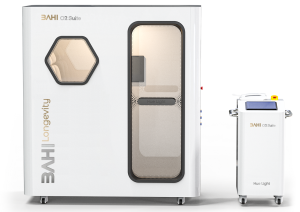
HBOT allows a person to breathe oxygen in a pressurized chamber.
Under those conditions, more oxygen can circulate through the body and reach tissues. This has made HBOT an area of interest in recovery programs focused on tissue maintenance and repair.
PBM and HBOT approach recovery from different directions:
One focuses on how cells respond to light. The other increases the oxygen available to them.
Some overseas clinics are exploring how the two may fit together within broader programs designed to support energy, tissue health, and daily function.
They do not replace chemotherapy, radiation, surgery, or oncology care. They are part of a wider effort to support the body carrying the demands of treatment.
Survival Matters. So Does the Life Happening Around It.
A person can receive encouraging scan results and still struggle to feel like themselves.
That does not mean the good news matters less.
It means recovery deserves its own attention.
Being able to eat without nausea matters.
Walking without feeling completely depleted matters.
Sleeping, thinking clearly, and having enough energy to sit with family matters too.

These are not small comforts.
They are part of what patients are fighting to return to.
Cancer care has become increasingly focused on helping people live longer. The next question is just as human:
How do we help patients keep living their lives while treatment is happening?
That is where the future of supportive cancer care begins — and where cancer recovery PBM HBOT research continues to grow.
This article introduces emerging research and overseas approaches for general informational purposes. PBM and HBOT do not replace chemotherapy, radiation, surgery, or standard oncology care, and this content does not make a claim that they treat or cure cancer. Please consult your oncology team before starting any supportive recovery program.