
Oxaliplatin cold sensitivity, chemotherapy-induced peripheral neuropathy, and how PBM is being studied for recovery support

Chemotherapy-induced peripheral neuropathy PBM research is gaining attention for a reason many patients know firsthand.
Maybe someone warned you after treatment:
Skip the iced drinks.
Let the tap run warm.
Wear gloves when reaching into the freezer.
It can sound strangely specific until you touch a cold bottle and your fingers begin to tingle.
Then you take a sip and notice an unusual sensation around your lips, jaw, or throat.
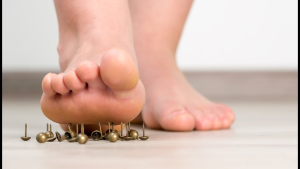
This is a recognized chemotherapy side effect associated with oxaliplatin. Cold food, water, air conditioning, or outdoor air can suddenly feel sharp, uncomfortable, or slightly electric.
The temperature has not changed. Your nerves are reacting to it differently.
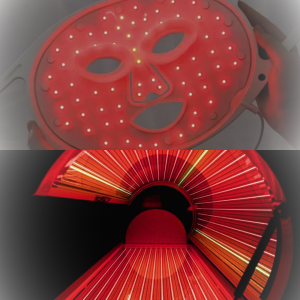
Because oxaliplatin can affect the peripheral nerves, researchers are also studying photobiomodulation, or PBM, as a supportive approach for chemotherapy-induced peripheral neuropathy.
Oxaliplatin Cold Sensitivity: Why Cold Water Can Hurt After Chemotherapy
Oxaliplatin is commonly used in colorectal cancer treatment. One of its more unusual effects is that it can make the nerves temporarily sensitive to cold.
These nerves normally help you feel temperature, touch, pressure, and pain. When their signals become disrupted, something cool may be felt as tingling, stinging, burning, or numbness.
Doctors call this chemotherapy-induced peripheral neuropathy, or CIPN. Research describes oxaliplatin-induced cold hypersensitivity as a hallmark of oxaliplatin-related neuropathy, with symptoms linked to altered sensory nerve signaling.
For some people, the symptoms are most noticeable for a few days after an infusion and then ease. For others, tingling or numbness may begin lasting longer as treatment continues.
That is when it can start affecting more than cold drinks.
Buttoning a shirt may take extra concentration. Texting a friend can feel slightly awkward. If the feet are affected, walking may feel less steady than usual.
Small Adjustments Can Make the Day Easier
Cold air can also be surprisingly uncomfortable, so moving away from a strong air conditioner or covering your face and hands outdoors may help.
These are simple changes, but simple is useful when treatment has already added enough to your day.
It also helps to notice whether the symptoms are changing.
If tingling lasts longer than before, numbness remains between treatments, or everyday tasks are becoming more difficult, mention it to your oncology team.
You do not need to explain it perfectly. Saying, “The tingling used to go away after two days, but now it lasts until my next treatment,” gives them useful information.
How PBM Is Being Studied for Chemotherapy-Induced Peripheral Neuropathy

PBM uses specific wavelengths of red and near-infrared light.
Researchers are looking at how this light interacts with mitochondria, cellular communication, and processes involved in nerve and tissue recovery.
Clinical studies involving people with chemotherapy-induced peripheral neuropathy have examined changes in nerve symptoms, mobility, and quality of life after PBM. Some overseas researchers and supportive oncology programs are exploring how it may fit into broader recovery support.
It is used to support the parts of the body affected along the way, including nerves involved in sensation, movement, and everyday hand function.
When Oxaliplatin Cold Sensitivity Is Worth Mentioning to Your Oncology Team
Cold sensitivity is not always the first chemotherapy side effect people think of.
Still, it can change the way you eat, drink, shower, go outside, and use your hands.
Understanding why it happens can make the symptom feel less confusing. It can also help you recognize when the pattern is changing and needs to be mentioned.
Cancer care follows how the disease responds to treatment.
Supportive care pays attention to how you are moving through that treatment each day.
Both matter. And as chemotherapy-induced peripheral neuropathy PBM research continues, supportive approaches like this are increasingly part of that conversation.
This article introduces emerging research and overseas approaches for general informational purposes. It does not make a claim that PBM treats or cures chemotherapy-induced peripheral neuropathy, and it is not a substitute for medical advice from your oncology team.