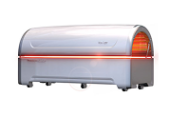
Researchers applied 670 nm near-infrared light to two Alzheimer’s mouse models (K3 and APP/PS1) for four weeks. The treatment lowered tau tangles and amyloid-β plaques in the cortex and hippocampus by about 40–70%, and restored levels of cytochrome c oxidase (COX), a key mitochondrial enzyme.
How Does It Work?
NIR light stimulates mitochondria to boost energy (ATP) production and reduce harmful reactive oxygen species (ROS). This lowers cellular stress and breaks the cycle that drives tau accumulation and amyloid buildup.
Why Does It Matter?
The improvement appeared even after the disease had already progressed, showing that NIR light could help reverse existing brain damage. It offers a safe, non-invasive approach with strong potential for neuroprotection.
Key Mechanisms
Restores mitochondrial COX activity
Reduces oxidative stress (ROS)
Suppresses tau and amyloid buildup
Conclusion
Near-infrared therapy revitalizes brain cells by restoring mitochondrial energy and reducing oxidative damage, easing key Alzheimer’s pathologies.
In short: light reawakens mitochondria and helps the brain repair itself.