Do hair-loss shampoos really not work?
Have you ever picked up a hair loss shampoo costing well over 20,000–30,000 won at a large retailer or drugstore (like Olive Young) and wondered, “Will hair really grow just by washing with this?”
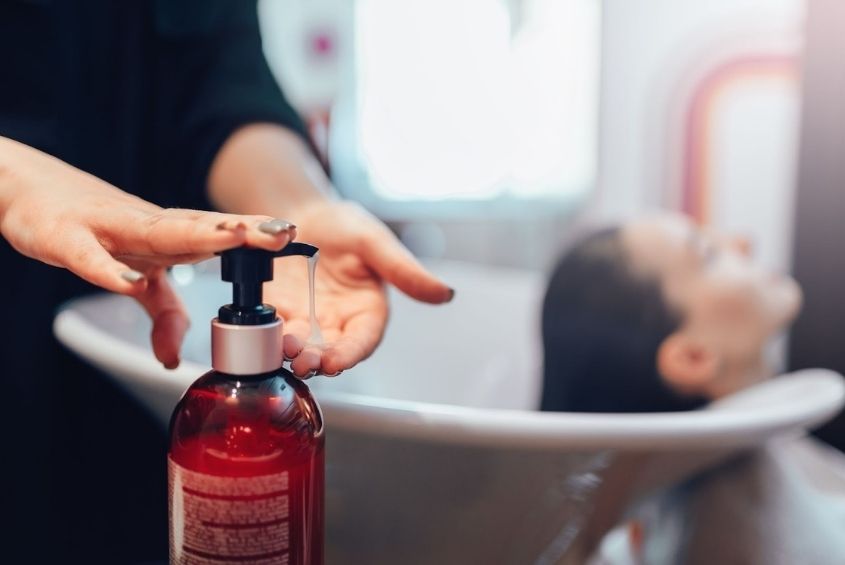
Unfortunately, from a modern dermatological perspective, expecting hair regrowth from shampoo alone is almost impossible. The reason is simple: shampoo is not a treatment that delivers medication into the scalp. It is primarily a cleanser designed to remove dirt, oil, and impurities. Certain shampoo ingredients, particularly harsh surfactants, may not directly cause hair loss but can contribute to scalp irritation and imbalance, which in turn can lead to hair shedding (shampoos that cause hair loss).
So, we must ask the question: “In the mere 3 minutes during which we lather and rinse, can active ingredients truly penetrate deep into the hair follicles and induce physiological change?”
In fact, many studies today focus not on the shampoo’s active ingredients, but on the base components, which make up 90% of the formula and can negatively affect scalp health.
To truly understand why hair loss shampoos don’t work, we need to examine surfactants, water limitations, and the emerging solution: nanobubble hydrogen water for deep scalp cleansing.
1. The paradox of surfactants: The More You Wash, the Faster Your Scalp Ages
Shampoo’s core function is to dissolve oil (sebum) in water and remove it, and the agents that perform this task are surfactants. Sodium lauryl sulfate is a common surfactant known to cause scalp irritation and potentially contribute to hair loss. The problem is that these ingredients do not remove only “dirt,” they also destroy the protective barrier that keeps the scalp healthy.
Exposure to harsh chemicals in shampoos can lead to skin irritation and skin sensitivity, especially in individuals with pre-existing sensitivities. When the protective barrier is compromised, it can result in dryness and micro-inflammation. Some people may experience allergic reactions to certain shampoo ingredients, leading to further scalp discomfort.
Sodium chloride is often used as a thickening agent in shampoos, but it can also strip natural oils from the hair and scalp, causing dryness. The use of sulfate-free shampoos is important to reduce the risk of scalp irritation and hair damage caused by harsh surfactants. It is also crucial to avoid harsh chemicals and harmful chemicals in shampoos to protect scalp and hair health.
Evidence A: Skin-barrier destruction and moisture loss
“Strong anionic surfactants (e.g., SLS) denature proteins in the stratum corneum and dissolve the lipid barrier, significantly increasing transepidermal water loss (TEWL).”
— Ananthapadmanabhan KP et al., Dermatologic Therapy (2004)
According to the study, high cleansing power inevitably comes with scalp barrier damage. Even if a product is marketed as “eco-friendly” or “plant-derived,” as long as it uses chemically synthesized surfactants, the scalp cannot be free from the risks of dryness and micro-inflammation.
Evidence B: Toxic residues left behind even after rinsing
A bigger issue is the residue that remains trapped in the pores even after rinsing. These leftover cleansing agents oxidize into lipid peroxides, becoming secondary pollutants that apply continuous oxidative stress to the hair follicles. Some shampoo preservatives act as a formaldehyde donor, slowly releasing formaldehyde over time, and pose health risks such as irritation and allergic reactions.
According to research by Trüeb RM (2009), such oxidative stress accelerates hair aging and is a key factor causing early regression of the follicles. Methylene glycol, a dissolved form of formaldehyde found in some shampoos, can also contribute to scalp irritation. Prolonged exposure to these preservatives can lead to further scalp irritation and damage to the hair’s protective barrier. Additionally, synthetic fragrances and propylene glycol are common shampoo ingredients that can cause allergic reactions and skin irritation in sensitive individuals.
2. The Problem Is Not the Shampoo: It’s the Water
What matters more than changing the ingredients of a hair-loss shampoo is what and how you use it to rinse.
The limitation of regular tap water comes from its physical size.
- Scalp pore opening: Approx. 20–50 μm
- Ordinary water droplets/foam: Approx. 50–100 μm
Simply put, just as a large ball cannot enter a small hole, normal water only grazes the surface of the pores. It cannot wash away the deeply embedded waste or the leftover surfactants inside the pores. Additionally, sodium chloride, also known as table salt, is often added to shampoos as a thickening agent but can contribute to dryness and hair breakage.
When cleansing is ineffective, hair and product buildup can accumulate in the shower drain, often due to product residue left behind.
Beyond water, cosmetic products such as shampoos and conditioners can impact scalp and hair health, as certain ingredients may cause irritation or damage.
Other aspects of hair care, including styling practices and tight hairstyles, can also contribute to hair loss and should be considered when addressing scalp health.
3. Nanobubble Hydrogen Water: The ‘Cleaner’ Discovered By Science
This is where the combination of nanobubbles and hydrogen emerges as a new alternative. This is not ordinary water; it is a solution with physical and chemical functionality. Scientific evidence suggests that nanobubble hydrogen water can provide deep scalp cleansing and support overall hair health.
Unlike many traditional shampoos, nanobubble hydrogen water is formaldehyde-free, making it a safer choice for those concerned about chemical exposure. By maintaining a clean and balanced scalp environment, this method can help prevent further hair loss. Choosing hair-healthy products and routines is essential for preserving the strength and vitality of your hair. Nanobubble hydrogen water also offers an alternative to conventional treatments and medical treatments for hair loss, providing a non-invasive option for those seeking to improve scalp and hair health.
A Physical Revolution: 200× Higher Penetration and a “Magnet Effect”
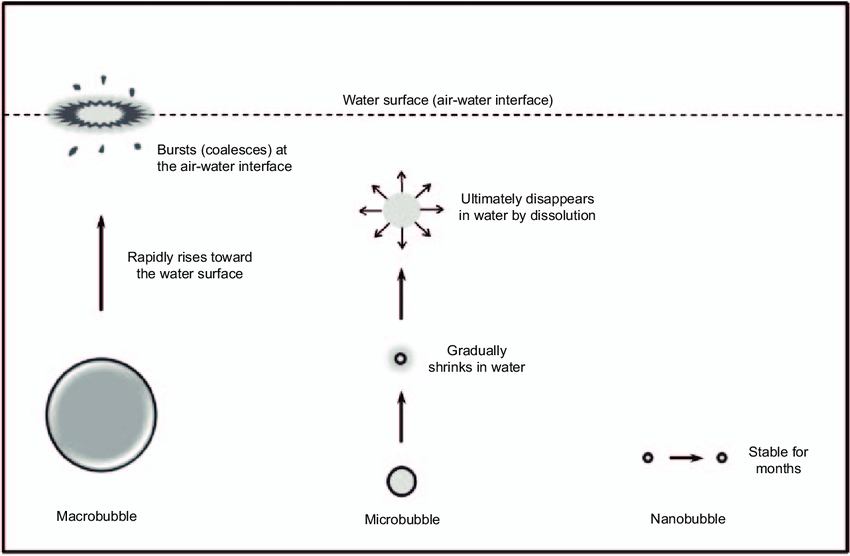
- Nanobubbles are ultrafine bubbles with a diameter of 100 nm or less. They are more than 200 times smaller than scalp pores, allowing them to penetrate deeply. This deep cleansing helps protect the hair shaft from damage and reduces the risk of hair breakage by removing buildup that can weaken hair structure.
- Brownian Motion: Nanobubbles are barely affected by buoyancy and move irregularly within water while remaining stable for long periods (Alheshibri et al., 2016). This becomes a physical force that cleans every corner thoroughly.
- Zeta Potential: The surface of nanobubbles carries a strong negative charge (–). In contrast, scalp waste and oxidized sebum carry a positive charge (+).
Nanobubbles attract this waste like magnets and physically remove debris even without surfactants.
A Chemical Revolution: Cleansing While Extinguishing Inflammation
The dissolved molecular hydrogen (H₂) in the solution plays a role in neutralizing the toxicity of shampoos.
- Selective antioxidant action: Hydrogen selectively binds to the most cytotoxic free radical, the hydroxyl radical (·OH), and converts it into harmless water (H₂O)
(Ohsawa I et al., Nature Medicine, 2007).
- In other words, it suppresses scalp irritation and reactive oxygen species that may arise during the cleansing process, creating a recovery-friendly environment for hair follicles while cleansing. Preserving hair’s natural keratin is essential for maintaining hair strength and avoiding damage, and nanobubble hydrogen water helps protect this vital protein.
When compared to chemical treatments, some keratin treatments can damage hair and release harmful chemicals, making nanobubble hydrogen water a safer alternative for scalp and hair health.
This approach also supports the growth and maintenance of natural hair by providing a gentle, non-invasive solution that promotes a healthy scalp environment. Avoiding ingredients that encourage hair loss or contribute to hair loss is important for long-term hair health, and nanobubble hydrogen water offers a way to cleanse without exposing the scalp to such harmful substances.
Role of Nutrition in Hair Loss: The Inside-Out Approach
When it comes to achieving healthy hair and preventing hair loss, what you put into your body is just as important as what you put on your scalp. Nutrition forms the foundation for strong hair follicles, resilient hair shafts, and overall hair health. A well-balanced diet packed with essential nutrients can help reduce hair thinning, minimize excessive hair shedding, and support hair regrowth.
4. A scientifically grounded scalp-cleansing routine (Action Plan)
Genuine hair-loss care does not begin with fancy ingredient lists; it begins with complete cleanliness, leaving absolutely nothing behind inside the pores.
Step 1: Shampoo Diet: Reduce the amount of surfactant-containing shampoo you use to half of your usual amount. Pay attention to red flag ingredients in shampoos that may cause scalp irritation or hair loss, such as sulfates or harsh preservatives.
Step 2: Nanobubble Pre-Wash: Before shampooing, thoroughly soak the scalp for 3 minutes with nanobubble hydrogen water to physically loosen and expel lipid peroxides inside the pores. It is normal to lose hair during washing, but if you notice excessive shedding, it may be a sign of an underlying issue.
Step 3: Antioxidant Rinse (Post-Wash): After shampooing, rinse again with nanobubble hydrogen water to completely remove residual surfactants and coat the scalp with a hydrogen antioxidant barrier.
If you are genetically predisposed to hair loss, you may need to take extra precautions with your hair care routine. If you are experiencing hair loss, consult a healthcare provider to rule out any underlying condition that may be contributing to the problem.
Conclusion: Don’t trust The Shampoo, Change Your Water
If expensive hair-loss shampoos haven’t worked, it’s not because their ingredients are lacking; it’s because the cleansing method is flawed. Simply coating or scrubbing the scalp with chemicals cannot remove deep-seated residues or oxidative stress. In fact, certain ingredients in hair products, such as sulfates, silicones, and parabens, can cause hair loss by irritating the scalp or clogging follicles, so it’s important to avoid these when choosing hair products.
The solution lies in nanobubble hydrogen water, which combines physical cleansing with chemical protection. Ultra-fine nanobubbles penetrate deep into pores, while molecular hydrogen neutralizes harmful free radicals, reducing scalp inflammation and creating a healthy environment for hair follicles. Incorporating nanobubble hydrogen water into your hair care routine also means you can avoid harmful chemicals that may damage your scalp and hair.
The nanobubble hydrogen spa, with 92nm bubbles and selective hydrogen antioxidant action, achieves both deep cleansing and scalp protection simultaneously. Science has already provided the solution; now it’s up to you to make the change.
Know the difference for yourself with the HueLight Nanobubble Hydrogen Spa. Explore its specifications and see how scientific scalp cleansing can transform your hair care routine.
References
- Ananthapadmanabhan KP, et al. Cleansing without compromise: the impact of cleansers on the skin barrier and the technology of mild cleansing. Dermatologic Therapy. 2004;17 Suppl 1:16-25.
- Ohsawa I, et al. Hydrogen acts as a therapeutic antioxidant by selectively reducing cytotoxic oxygen radicals. Nature Medicine. 2007;13(6):688-694.
- Alheshibri M, et al. A History of Nanobubbles. Langmuir. 2016;32(43):11086-11100.
- Trüeb RM. Oxidative stress in ageing of hair. International Journal of Trichology. 2009;1(1):6-14.