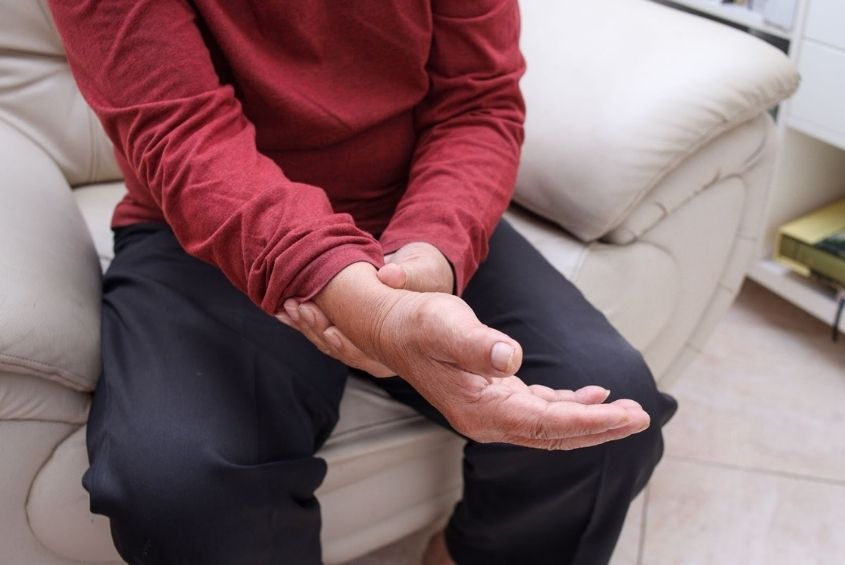
Peripheral neuropathy rarely announces itself all at once. It begins with a quiet numbness in the toes, a tingling sensation in the fingers, or a burning pain that slowly makes everyday moments uncomfortable. Walking becomes harder. Sleep is interrupted. Simple things like wearing socks or holding objects start to feel unfamiliar.
For many patients, medication becomes the first and often only option. While painkillers and nerve medications may reduce symptoms temporarily, they rarely address what is happening inside the nerves themselves. Over time, side effects such as dizziness, fatigue, or nausea can replace one problem with another, leaving people wondering whether there is a better way forward.
In recent years, clinical research has begun to explore a different approach. Red Light Therapy for Neuropathy, also known as Photobiomodulation Therapy (PBM), is gaining attention as a non-invasive treatment that targets the underlying biological mechanisms of nerve damage rather than simply masking pain. By supporting cellular energy production and nerve repair, PBM offers a new, evidence-based option for patients seeking lasting relief and improved quality of life.
When Medication Isn’t Enough: A Real Patient Story
“I keep taking medication, but the pain doesn’t go away. Is there any other option?”
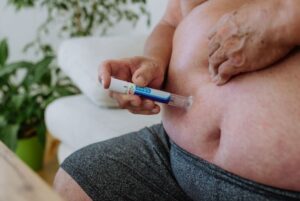
Mr. Kim, 62, has lived with diabetes for 12 years. Over the past six months, he has experienced a burning pain in the soles of his feet, and even wearing socks feels as uncomfortable as stepping on sand. Despite taking painkillers prescribed by his doctor, his symptoms did not improve. Instead, he began to feel dizzy and nauseous.
Mr. Kim was diagnosed with diabetic peripheral neuropathy. It is a common complication affecting one in two diabetes patients in Korea, yet effective treatment options remain limited.
Globally, more than 20 million people suffer from this condition. Recently, however, a noteworthy discovery has drawn attention in the medical community: damaged nerve cells can be restored using light of specific wavelengths.
What Is Neuropathy and Why Is It So Hard to Treat?
Peripheral neuropathy occurs when nerves responsible for sensation, movement, or autonomic function become damaged. The result is numbness, tingling, burning pain, or loss of sensation, most commonly in the hands and feet.
One reason neuropathy is so difficult to treat is that nerve cells have exceptionally high energy demands. When their energy supply is disrupted, nerve signaling deteriorates rapidly.
Mitochondrial Dysfunction: The Root Cause of Nerve Damage

Every cell in the body contains mitochondria, often called the cell’s “power plants.” These structures generate ATP, the energy required for normal cellular function.
In conditions such as:
- Diabetes
- Chemotherapy
- Aging
- Chronic inflammation
Mitochondrial function becomes impaired. Nerve cells are particularly vulnerable, as they require more than ten times the energy of other cells. When energy production drops, nerve signaling deteriorates rapidly, leading to numbness, tingling, burning pain, and loss of sensation.
A 2025 study published in Frontiers in Endocrinology confirmed that when mitochondrial energy production decreases by more than 40%, nerve cells can no longer function properly, making mitochondrial failure a core Cause of diabetic complications.
Limitations of Conventional Neuropathy Treatments
Most existing neuropathy treatments focus on symptom suppression, not nerve repair. Common approaches include:
- Anticonvulsant medications
- Antidepressants
- Pain suppressants
While these may reduce pain signals, they do not regenerate damaged nerves. Side effects such as drowsiness, dizziness, weight gain, and cognitive fog are common, leading many patients to discontinue treatment. This treatment gap has driven growing interest in red light therapy for neuropathy.
How Photobiomodulation (PBM) Works for Neuropathy
How It Works
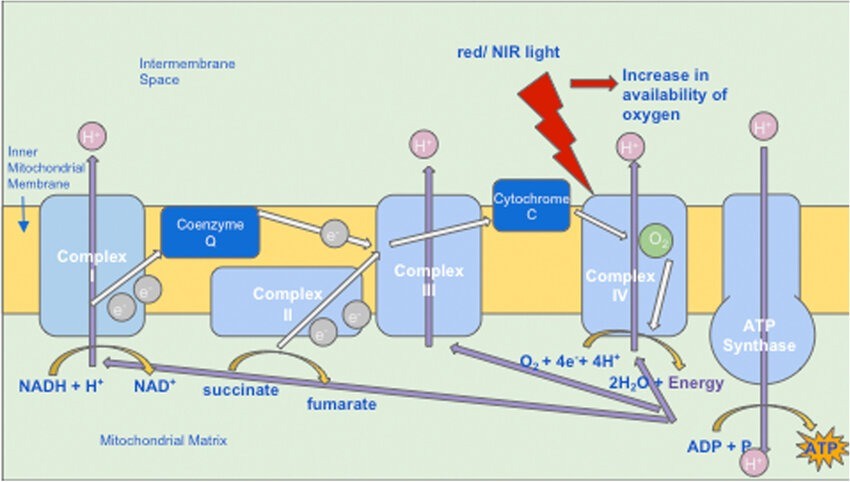
Photobiomodulation Therapy (PBM) is a non-invasive treatment that activates cells using light at specific wavelengths. When these wavelengths penetrate deep into the tissue and reach the mitochondria inside cells:
- Energy production increases by 30–40%
- Toxic substances (reactive oxygen species) are reduced
- Inflammation decreases
- Damaged nerves begin to regenerate on their own
Much like recharging a drained battery, PBM therapy for neuropathy restores mitochondrial function and supports the body’s natural healing processes.
Scientific Evidence Supporting Red Light Therapy for Neuropathy
2025 Indian Study: Trial Involving 200 Patients with Diabetes
A randomized controlled trial published in Diabetes Research and Clinical Practice in March 2025 reported remarkable results.
Study Design:
- 200 patients with diabetic neuropathy participated
- Half received real light therapy, while the other half received sham (placebo) treatment
- Light was applied to the tops and soles of the feet for 18 minutes per day over 10 days
Results:
- Average pain score decreased by 3.2 points (p < 0.001)
- Foot sensation improved by 20% (measured via vibration perception testing)
- Objective blood-test confirmation: Levels of nerve-damage biomarkers decreased significantly
- NSE (Neuron-Specific Enolase) and
- CGRP (Calcitonin Gene-Related Peptide)
- Improved quality of life: Patients reported that “walking became easier” and “sleep improved.”
Why this study matters: This was not merely a subjective report of symptom improvement. The recovery of nerve cells was objectively demonstrated through measurable blood biomarkers, providing strong scientific evidence of PBM’s therapeutic effect.
2024 International Meta-Analysis: A Review of 95 Studies
A systematic review published in BMC Neurology in 2024 analyzed 95 studies from around the world.
The conclusion was clear:
“PBM shows superior outcomes when combined with other treatment modalities compared to standalone therapy.”
The researchers emphasized that PBM produces synergistic effects when used alongside medication, physical therapy, and exercise programs.
Consistent improvements were observed, particularly in the areas of nerve injury, pain, and neuropathy.
2022 Study in Cancer Patients
The NEUROLASER clinical trial, published in Supportive Care in Cancer, involved 32 breast cancer patients undergoing chemotherapy.
Results: Patients who received PBM treatment alongside chemotherapy experienced less worsening of neuropathy symptoms compared to the placebo group, and their quality of life was better preserved. These findings suggest that PBM can also be used as a preventive intervention, not only as a treatment after symptoms appear.
Who Can Benefit from Red Light Therapy?
Conditions Where Benefits Can Be Expected
✓ Diabetic Peripheral Neuropathy
- Numbness, burning sensations, or pain in the feet
- Reduced sensation in the feet
- Difficulty sleeping at night due to pain
✓ Chemotherapy-Induced Neuropathy
- Numbness and pain in the hands and feet
- Balance problems
- Preventive use during treatment
✓ Other Types of Neuropathy
- Neuropathy of unknown cause
- Symptoms caused by nerve compression
- Chronic nerve inflammation
Recommended Red Light Therapy Treatment Protocol
General Guidelines:
- Frequency: 2–3 sessions per week
- Duration: At least 6 weeks or longer
- Side effects: Minimal (usually only a mild warming sensation on the skin)
- Combination therapy: Can be used alongside medication, physical therapy, and nutritional management
Important: Red Light Therapy is more effective when used in combination with existing treatments rather than as a standalone therapy.
Why Isn’t Red Light Therapy More Widely Known?
Although PBM therapy is already recognized within the medical community, it is still unfamiliar to the general public.
Reasons include:
- Large-scale clinical research has increased significantly only since the 2020s
- It may not appear as dramatic as surgery or medication
- It requires medical-grade equipment (completely different from home-use LED devices)
However, as strong objective evidence has accumulated through studies published in 2024–2025, the number of hospitals adopting PBM therapy in hospitals and clinics worldwide is rapidly increasing.
Conclusion: A New Evidence-Based Option for Neuropathy Treatment
Neuropathy is not simply a part of aging or “just pain.” It is a condition in which cellular energy metabolism has broken down at a fundamental level.
Photobiomodulation therapy (PBM):
- Reactivates the cell’s “power plants.”
- Has been validated by the latest 2025 research
- Has minimal side effects
- Can be combined with other treatments
However, like all therapies, it is not a cure-all. The best outcomes are achieved when PBM is combined with proper diabetes management, nutritional improvements, and exercise.
Most importantly: Do not ignore symptoms or endure them in silence. Consult a medical professional to find the treatment approach that is right for you. Once nerve cells are severely damaged, regeneration becomes difficult. Early detection and early treatment are critical.
Start Healing Nerves with PBM Today
Ready to take control of your neuropathy symptoms? Explore our clinically proven photobiomodulation devices and therapy solutions designed to support nerve health, reduce numbness, and improve sensation in your hands and feet.
Reference
- Anju M, Velladath SU, Maiya GA, Hande M. A single-blinded randomized controlled trial assessing the effect of photobiomodulation therapy on neuron-specific biomarkers in type II diabetes mellitus patients with peripheral neuropathy. Diabetes Research and Clinical Practice. 2025;222:112087. https://pubmed.ncbi.nlm.nih.gov/40090424/
- Chamkouri H, Liu Q, Zhang Y, Chen C, Chen L. Photobiomodulation combination therapy as a new insight in neurological disorders: a comprehensive systematic review. BMC Neurology. 2024;24:139. https://bmcneurol.biomedcentral.com/articles/10.1186/s12883-024-03593-4
- Lodewijckx J, Robijns J, Claes M, et al. The use of photobiomodulation therapy for the prevention of chemotherapy‑induced peripheral neuropathy: a randomized, placebo‑controlled pilot trial (NEUROLASER trial). Supportive Care in Cancer. 2022;30(6):5509‑5517. https://pubmed.ncbi.nlm.nih.gov/35312857/
- Wang Z, Li H, Chen M. The role of mitochondrial function in the pathogenesis of diabetes. Frontiers in Endocrinology. 2025;16. https://www.frontiersin.org/journals/endocrinology/articles/10.3389/fendo.2025.1607641/full
- Martins D, Correia Rocha P, Watkins L, Chacur M. Photobiomodulation Therapy in Neuropathic Pain: Mechanisms, Evidence, and Future Directions. Frontiers in Photonics. 2025. https://www.frontiersin.org/journals/photonics/articles/10.3389/fphot.2025.1730347/abstract