

When Memory Begins to Slip: A Story Many Families Know
Imagine visiting your parents and noticing something small but unsettling. Your once sharp and clever mother pauses, struggling to recall a familiar name. Your father repeats the same story twice in a single conversation, unaware he has already told it.
For millions of families, this is how Alzheimer’s disease begins, not with a dramatic moment, but with subtle changes that slowly reshape daily life.
Mrs. Park never missed a birthday. For decades, she remembered every family gathering, every anniversary, and every small detail that made her the emotional center of her home.
But one winter morning, she stood in the kitchen holding a kettle, unsure why she had turned on the stove. Later that day, she asked her daughter the same question three times within ten minutes. At first, the family brushed it off as stress or normal aging. But deep down, they knew something had changed.
When Mrs. Park was diagnosed with early-stage Alzheimer’s disease, the family heard words millions hear every year:
“There is no cure. Medication may slow progression, but outcomes vary.”
The diagnosis didn’t just affect her memory. It changed family dynamics, daily routines, and the quiet confidence she once carried. Like many families, they were left wondering:
Is there anything else that can help?
The Growing Reality of Alzheimer’s Disease
Alzheimer’s affects families worldwide at an unprecedented scale. According to the World Health Organization (2021), more than 57 million people are living with dementia globally, with nearly 10 million new cases each year.
Behind these numbers are caregivers facing emotional exhaustion, uncertainty, and the painful realization that current medical treatments offer only limited relief.
When Standard Treatments Fall Short
Alzheimer’s medications are often prescribed to manage symptoms, but they rarely address what is happening inside brain cells themselves. Some patients experience mild, temporary improvements. Others notice little change at all. Side effects such as nausea, dizziness, and sleep disturbances can further reduce quality of life.
For Mrs. Park’s family, the hardest realization was that the disease continued to progress despite doing everything recommended.
This experience reflects a growing consensus in neuroscience:
Alzheimer’s is not caused by a single malfunction.
It is a multi-system breakdown involving chronic inflammation, oxidative stress, immune imbalance, and, critically, mitochondrial failure.
The Brain’s Energy Crisis: A Missing Piece of Alzheimer’s Care
Neurons are among the most energy-demanding cells in the human body. Every thought, memory, and emotion depends on mitochondria producing ATP efficiently.
In Alzheimer’s disease, this energy system begins to collapse.
- Oxidative stress damages mitochondrial membranes
- Chronic inflammation disrupts cellular signaling
- ATP production declines
- Neurons lose the ability to communicate and survive
When energy collapses, memory follows.
This realization shifted the question researchers were asking, not how to remove plaques, but how to protect brain cells themselves.
Molecular Hydrogen and Brain Health: A New Approach

For decades, Alzheimer’s research focused heavily on preventing the buildup of beta-amyloid protein clumps. While promising in theory, this approach has largely failed to translate into meaningful improvements for patients.
Researchers now recognize that neurodegenerative diseases are far more complex than a single protein abnormality. Immune dysfunction, inflammation, oxidative stress, and mitochondrial damage all contribute to cognitive decline.
This shift in understanding opened the door to a new therapeutic direction: molecular hydrogen therapy.
Alzheimer’s as an Immune and Inflammatory Disorder
Emerging research suggests Alzheimer’s behaves, at least in part, like a chronic immune disorder. Elevated inflammatory markers such as interleukins and tumor necrosis factor (TNF) remain persistently active in the brain.
Over time, this inflammation damages neurons, disrupts communication between brain cells, and accelerates neurodegeneration.
Clinicians are now seeking therapies that reduce inflammation while protecting brain cells at a fundamental, cellular level.
A New Direction: Introducing Molecular Hydrogen Therapy

Molecular hydrogen may seem simple, but it is the smallest molecule in the universe, and its biological effects are profound.
Now recognized as a medical gas, molecular hydrogen is similar in concept to oxygen therapy. When inhaled at therapeutic concentrations through a nasal cannula or medical mask, hydrogen rapidly diffuses through the lungs into the bloodstream.
From there, it easily crosses the blood–brain barrier, reaching areas of the brain that many drugs cannot.
How Molecular Hydrogen Protects the Brain
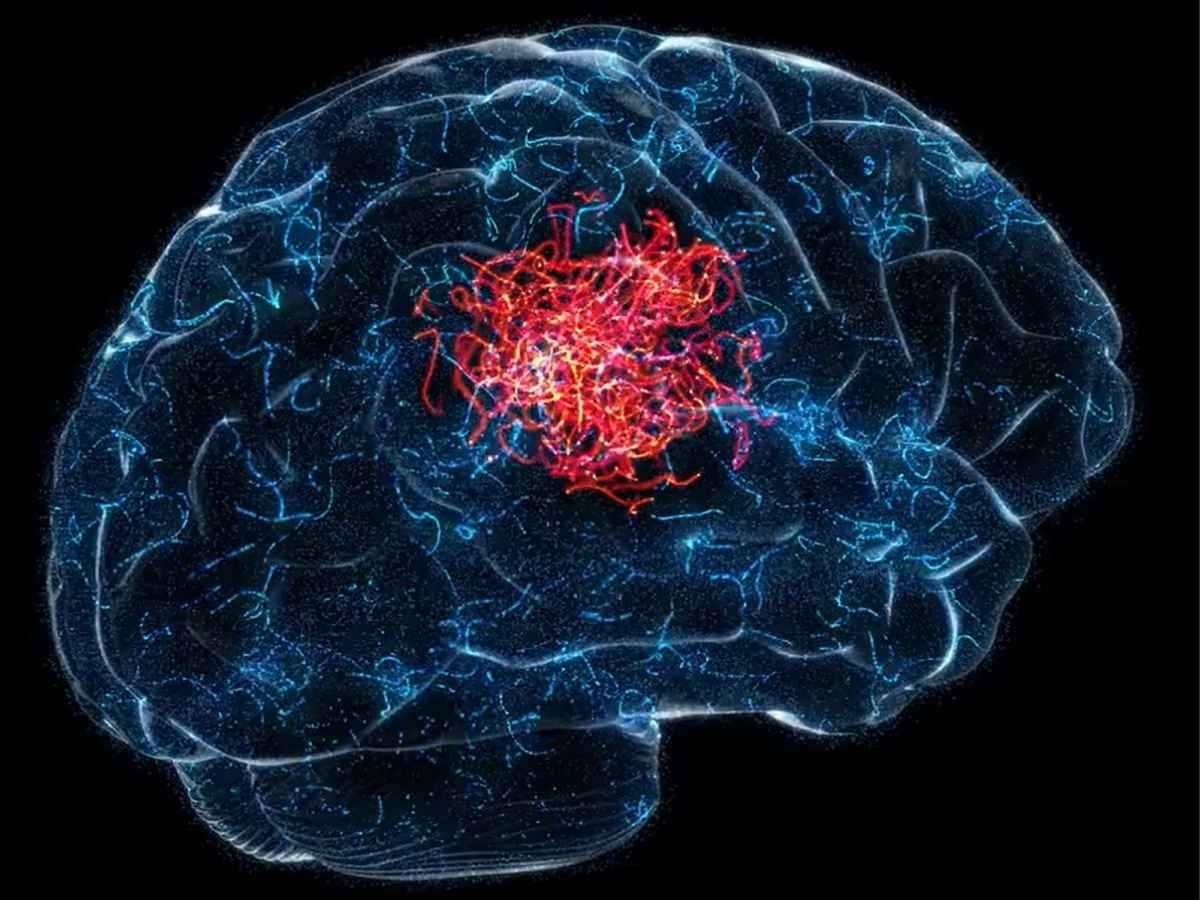
1. Powerful Antioxidant Action
Molecular hydrogen selectively neutralizes two of the most damaging free radicals in the body:
- Hydroxyl radicals
- Peroxynitrite radicals
These reactive oxygen species are known to damage cells, organelles, and DNA, particularly within the brain. Because hydrogen molecules are extremely small, they can penetrate cell membranes and reach areas other antioxidants cannot, effectively reducing oxidative stress at its source.
2. Mitochondrial Protection and Energy Production
Mitochondria are referred to as the “powerhouses of the cell.” They generate ATP, the energy required for all cellular functions. However, mitochondrial activity also produces reactive oxygen species as a byproduct, especially during inflammation or infection.
Molecular hydrogen helps protect mitochondria from oxidative damage, allowing them to function more efficiently. It also supports increased levels of Coenzyme Q10, which plays a key role in ATP production through oxidative phosphorylation.
Healthy mitochondria mean better energy availability for brain cells, improved neuronal function, and greater resilience against neurodegeneration.
3. Reduction of Neuroinflammation
Chronic inflammation is a central feature of Alzheimer’s and other neurodegenerative diseases. Elevated cytokines like interleukin-1β, interleukin-6, and TNF contribute directly to brain tissue damage and cognitive decline.
Molecular hydrogen has been shown to reduce the transcription factors that drive inflammation, helping calm the response in the brain and body.
4. Regulation of Cell Death and Autophagy
Autophagy is a natural process in which the body removes old or damaged cells. While this process is essential for health, excessive or premature autophagy can lead to increased neuronal cell death.
In neurodegenerative diseases, both excessive autophagy and programmed inflammatory cell death (such as pyroptosis) can become dysregulated. Molecular hydrogen helps modulate these processes, slowing them down when they become excessive and restoring balance to cellular turnover.
5. Immune System Support
Excessive inflammatory cell death can damage the immune system. Molecular hydrogen helps regulate immune responses, preventing overactivation while still allowing the body to defend itself effectively. This immune modulation is especially important in conditions where chronic inflammation drives disease progression.
Real Stories Behind Molecular Hydrogen Therapy
Six Months That Changed the Trajectory: Molecular Hydrogen Journey
In a pilot study, eight Alzheimer’s patients inhaled 3% hydrogen gas for one hour, twice daily. Some continued for six months.
Over time:
- ADAS-cog scores showed measurable improvement
- Brain imaging revealed preserved hippocampal structure
- Cognitive decline appeared slower than expected
Families noticed something meaningful, not a cure, but more clarity, recognition, and connection.
Community Members Regaining Mental Clarity
In a larger study of 54 community-dwelling adults with cognitive dysfunction, participants inhaled hydrogen daily for four weeks.
Reported benefits included:
- Less mental fatigue
- Improved focus
- Better daily recall
Biomarkers supported these experiences, showing reduced oxidative stress, improved amyloid and tau markers, and increased BDNF, a key protein for brain plasticity.
Genetics Matter: The APOE4 Story
In a year-long study of 73 adults with mild cognitive impairment, hydrogen-rich water showed modest overall effects. But among individuals carrying the APOE4 gene, memory and recall improved significantly.
This finding highlights an important insight:
Some brains respond especially well when oxidative stress and mitochondrial damage are addressed early.
Why Molecular Hydrogen Fits the New Alzheimer’s Model
When viewed together, molecular hydrogen aligns with modern neuroscience:
- Alzheimer’s is inflammatory → hydrogen reduces inflammation
- Oxidative stress damages neurons → hydrogen neutralizes harmful radicals
- Mitochondria fail → hydrogen protects cellular energy systems
- Immune imbalance accelerates decline → hydrogen modulates immune response
Rather than targeting one protein, hydrogen supports the entire cellular environment that the brain depends on.
Mitochondria: The Key to Life and Brain Function
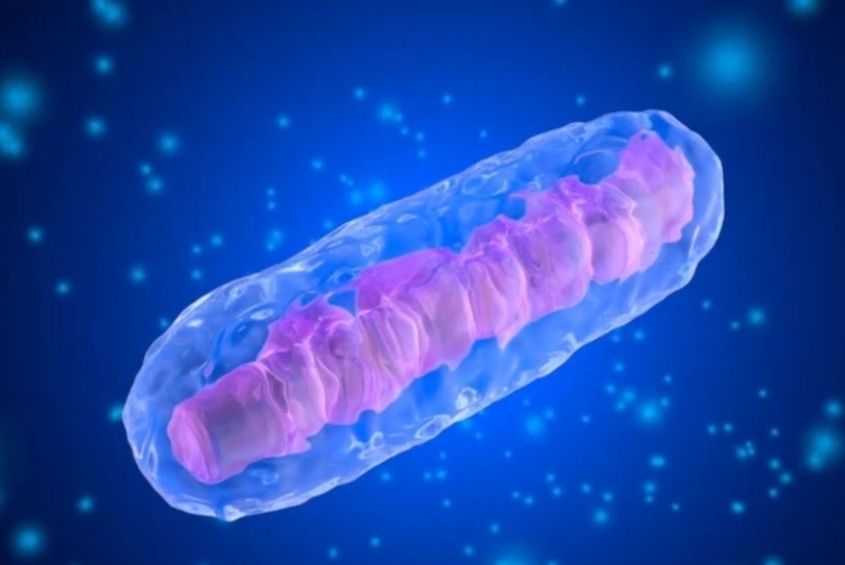
Each cell contains thousands of mitochondria, acting like tiny batteries that power every biological process. When these “batteries” function properly, the brain has the energy it needs to maintain memory, cognition, and neurological health.
Supporting mitochondrial function is like ensuring a car always has fuel. Without energy, even the most advanced cellular systems fail. Molecular hydrogen helps keep these cellular power sources running efficiently.
A New Frontier in Neurological Prevention and Treatment
Molecular hydrogen inhalation should be taken seriously as an emerging tool in both the prevention and treatment of cognitive and neurological disorders. While many physicians are still unfamiliar with its potential, research continues to expand, and clinical interest is growing rapidly.
This therapy represents a shift toward addressing the root causes of neurodegeneration rather than focusing on a single symptom or protein.
Not a Cure: But a Meaningful Shift
Molecular hydrogen is not a miracle cure. Alzheimer’s remains a complex disease. But for patients and families, the goal is often simple:
- Slower decline
- Better daily function
- More time with clarity and dignity
In that sense, molecular hydrogen represents something deeply valuable, a therapy designed to preserve what remains.
Final Thoughts: A New Kind of Hope
The future of Alzheimer’s care is not centered on a single drug or molecule. It is about protecting cellular energy, restoring biological balance, and strengthening the brain’s ability to remain resilient over time.
For families like Mrs. Park’s, molecular hydrogen offers something medicine rarely provides in neurodegenerative disease: more time, greater clarity, and moments of genuine connection.
For individuals concerned about Alzheimer’s, whether for themselves or someone they love, molecular hydrogen represents a promising, science-backed approach that targets the underlying biological processes driving cognitive decline.
As medicine continues to evolve, the focus is shifting toward therapies that support the body’s innate healing systems, preserve cellular energy, and restore balance at the deepest level. In this new era of neurological care, molecular hydrogen is emerging as one of the most important medical gases shaping the future of brain health.
Explore Molecular Hydrogen Therapy Today
Ready to support brain health and cognitive function? Learn more about clinically studied molecular hydrogen devices and inhalation protocols designed to help slow cognitive decline and improve quality of life.
[Discover Molecular Hydrogen Solutions]
Reference:
Therapeutic Inhalation of Hydrogen Gas for Alzheimer’s Disease Patients— https://pubmed.ncbi.nlm.nih.gov/36986533/
Effects of Hydrogen Gas Inhalation on Community‑Dwelling Adults (Antioxidants journal) — https://www.mdpi.com/2076-3921/12/6/1241
Effects of Hydrogen Gas Inhalation on Community-Dwelling Adults of Various Ages— https://pubmed.ncbi.nlm.nih.gov/37371971/
Effects of Molecular Hydrogen Assessed by an Animal Model and a Randomized Clinical Study on Mild Cognitive Impairment — https://pubmed.ncbi.nlm.nih.gov/29110615/ PubMed
Molecular Hydrogen: an Emerging Therapeutic Medical Gas for Brain Disorders — https://pubmed.ncbi.nlm.nih.gov/36567361/