
Why Does Chronic Back Pain Happen Suddenly?
Chronic back pain can strike unexpectedly, even when bending to put on socks, but vibration therapy offers a safe, science-backed solution. Is vibration therapy the solution to chronic back pain, an easier alternative to difficult planks? For many adults, vibration therapy for back pain or using a vibration plate for chronic pain may be a game-changer.
A man in his 30s collapses while putting on socks in the morning. When the cold wind begins to blow, the waiting room at the pain clinic becomes unusually crowded. What’s surprising is that among the elderly with graying hair, there is a noticeable surge of young people in their 20s and 30s clutching their necks and lower backs. Most of them are waiting for their turn to receive a nerve block injection commonly known as a “C-arm injection” to soothe their stiffened muscles and nerves.
“Just last week I was perfectly fine, but this morning I bent down to put on my socks and collapsed right there.”
This is no longer someone else’s story. In winter, when cold temperatures cause muscles to contract, chronic back pain becomes a ticking time bomb for modern people who spend more than 8 hours a day chained to their chairs. About 80% of adults worldwide experience back pain at least once in their lives, and 10–15% progress from a simple ache to a chronic condition severe enough to disrupt daily life.
Why Traditional Core Exercises Don’t Work for Everyone
Hospitals often say, “Strengthen your core muscles.” But for patients who struggle even to walk, sit-ups and planks feel less like treatment and more like torture. You need exercise to recover, yet the pain prevents you from moving, a cruel paradox. Is there truly no solution?
Why Vibration Therapy for Back Pain Is Emerging as a Practical Option
Recent studies in rehabilitation medicine point to “micro-vibrations” as the key to breaking this dilemma. Remarkably, research shows that even without sweating or strenuous movement, vibration stimuli that awaken cells can strengthen the spine, offering a new therapeutic possibility for people with chronic pain.
What Research Says About Vibration Therapy for Lower Back Pain
12-Week Study Comparing Vibration and Core Exercises
A major question many people ask is whether whole-body vibration exercises can replace traditional core workouts, which are widely used in rehabilitation programs.
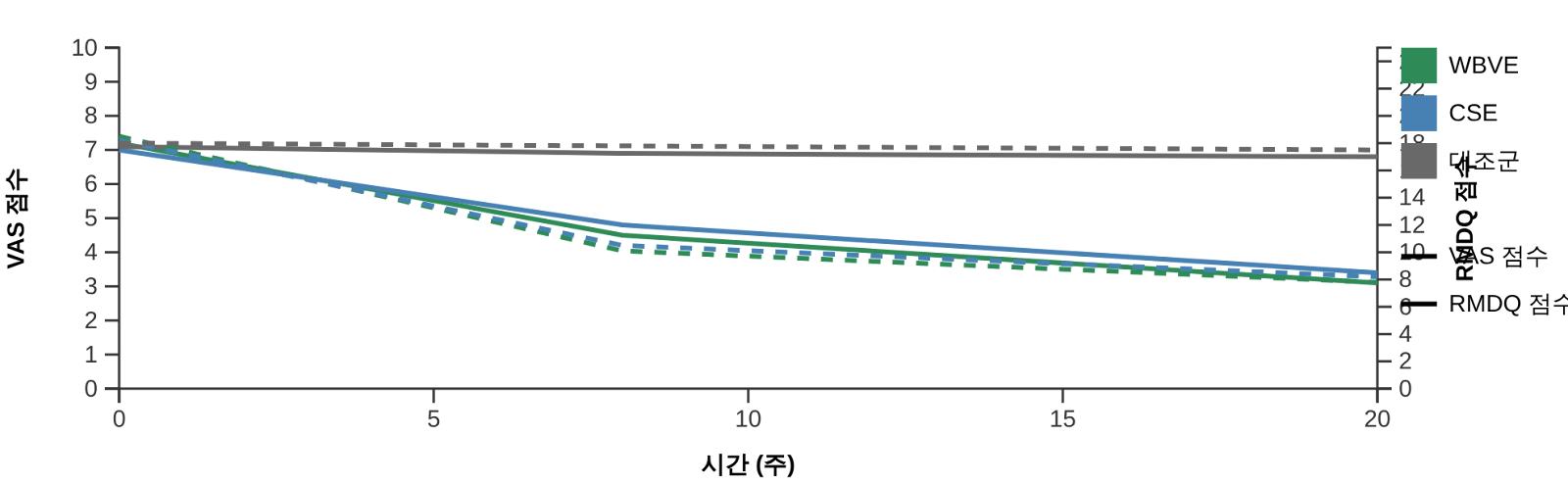
To answer this, researchers conducted a detailed 12-week follow-up study with participants who had suffered from chronic lower back pain for more than three months. They divided participants into three groups:
- A vibration-stimulation group using professional equipment
- A group performing traditional core-stabilization exercises on a mat
- A control group that did no exercise
After 12 weeks, the results challenged the long-held belief that only core exercises reduce chronic pain.
Analysis of pain scores and disability indices showed significant reductions in both the vibration group and the core-exercise group. Statistically, there was no meaningful difference in pain-relief effects between the two. This means that without enduring the painful struggle of holding a plank while dripping with sweat, simply standing on a vibration device and maintaining posture can achieve the same level of pain reduction. For patients who fear exercise or have difficulty moving due to pain, this presents a groundbreaking alternative.
Vibration Therapy Strengthens Spinal Muscles More Than Core Workouts
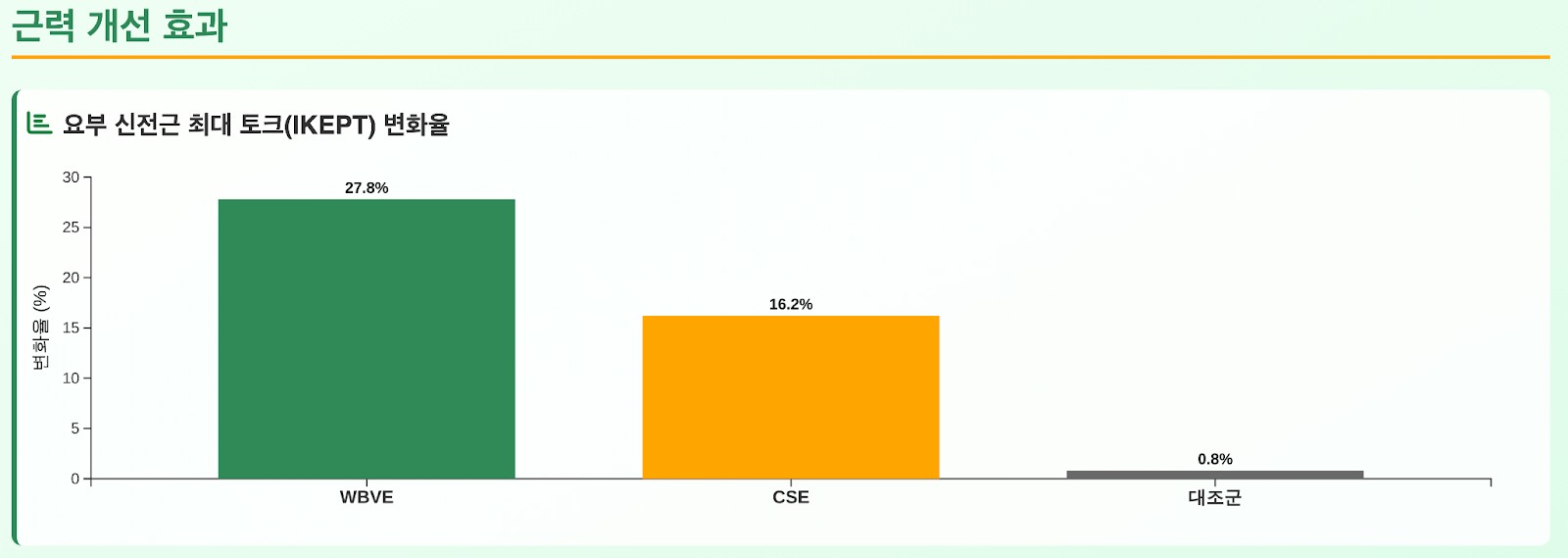
An even more surprising finding emerged when examining changes in muscle strength that support the spine. To prevent recurrent back pain, strengthening the lumbar extensor muscles, the muscles that allow you to bend your back backward, is essential.
The group performing traditional core exercises increased spinal muscle strength by 16.2%, a solid improvement commonly seen in standard back-pain rehabilitation programs.
But the vibration-therapy group using vibration training for back pain showed dramatically better results. Their muscle strength improved by 27.8% over the same period.
In other words, vibration therapy delivered significantly greater muscle-strengthening benefits than traditional core exercises, highlighting the effectiveness of vibration training for chronic back pain and lumbar extensor activation.
How Vibration Therapy Activates Deep Spinal Muscles Without Heavy Exercise
A natural question: How did muscle strength improve more, even though participants using vibration therapy did not perform strenuous movements?
The secret lies in “forced muscle contractions.” When standing on a vibration platform, the body instinctively contracts muscles to maintain balance amid the shaking. This rapid stimulation occurring dozens of times per second forces even the deep stabilizing muscles of the spine (which are normally difficult to activate voluntarily) to engage. Because far more muscle fibers are recruited than during conscious effort alone, the spine’s supporting strength improves more efficiently and effectively.
How Vibration Therapy Restores Proprioception and Spinal Stability
One common characteristic among chronic lower-back-pain patients is that the sensors responsible for detecting the position of the spine, known as proprioception, become dulled. When these sensors malfunction, the muscles fail to respond in time when the spine shifts or wobbles, leading to pain.

Whole-body vibration exercise strongly stimulates the sensory receptors in the skin, muscles, and joints, sharpening these dulled sensors once again. Research shows that vibration stimulation enhances spinal stability and improves neuromuscular control. Some participants experienced mild, temporary reactions such as slight dizziness or tingling in the legs, but no serious side effects were reported. This confirms that whole-body vibration is a safe therapeutic option, even for the elderly or those experiencing acute pain.
Injections vs Vibration Therapy: Temporary Relief vs Long-Term Healing
When your back feels as if it’s about to break, rushing to the hospital for an injection may take away the immediate pain. But injections and medications are nothing more than fire extinguishers that put out urgent flames; they cannot serve as the building materials needed to rebuild a strong, healthy body.
If you rely on these short-term fixes that only make you forget the pain temporarily, your muscles will gradually weaken, and you will eventually become trapped in a cycle of more frequent and more severe pain.
The clinically verified 12-week results show us a clear path forward. Even by simply standing still and receiving vibration stimulation, pain decreased, and the deep stabilizing muscles supporting the spine became stronger. How long will you continue getting injections every time the pain returns? It’s time to prevent the pain before it comes back to strengthen the spine fundamentally with whole-body wave therapy that science has now validated. Healthy stimulation can give you back the freedom it once had.
Who Should Avoid Vibration Therapy?
Although vibration therapy is safe for most people, it may not be suitable for:
- pregnant individuals
- people with severe cardiovascular diseases
- individuals with acute disc herniation
- patients with pacemakers
- people with advanced osteoporosis
- those who recently had major spinal surgery
If any of these conditions apply, consulting a medical professional first is recommended.
How to Use a Vibration Plate for Chronic Back Pain
Using vibration therapy for chronic back pain is simple, safe, and effective when done correctly. Follow these steps to get the most benefit:
- Stand on the vibration platform: Position your feet shoulder-width apart and keep your knees slightly bent. Maintain an upright posture with your core engaged.
- Start with short sessions: Begin with 10 minutes per session, 2–3 times per week. This allows your muscles and nervous system to adapt gradually.
- Focus on balance and posture: Let your body naturally respond to the vibrations, allowing deep stabilizing muscles to contract without forcing movement.
- Increase gradually if comfortable: Over time, you can extend sessions to 15 minutes or increase frequency to 3–4 times per week as tolerated.
- Follow safety precautions: Avoid prolonged sessions, keep the platform on a stable surface, and consult a medical professional.
By following these steps, vibration therapy can strengthen your spinal muscles, improve proprioception, and reduce chronic back pain without the strain of traditional core exercises.
Conclusion: Is Vibration Good for Lower Back Pain?
Yes, research shows that vibration therapy for chronic back pain reduces pain, improves proprioception, and strengthens essential spinal muscles often more effectively than traditional core exercises.
For people stuck in a cycle of injections and recurring pain, vibration offers a sustainable path forward. Healthy stimulation can restore the back’s natural support and help prevent future episodes of chronic pain.
Strengthen Your Spine Before the Pain Returns
If chronic back pain keeps coming back, don’t wait for another injection.
Take action now
Explore how whole-body vibration therapy can rebuild your spine, restore stability, and help you move freely again without pain.